

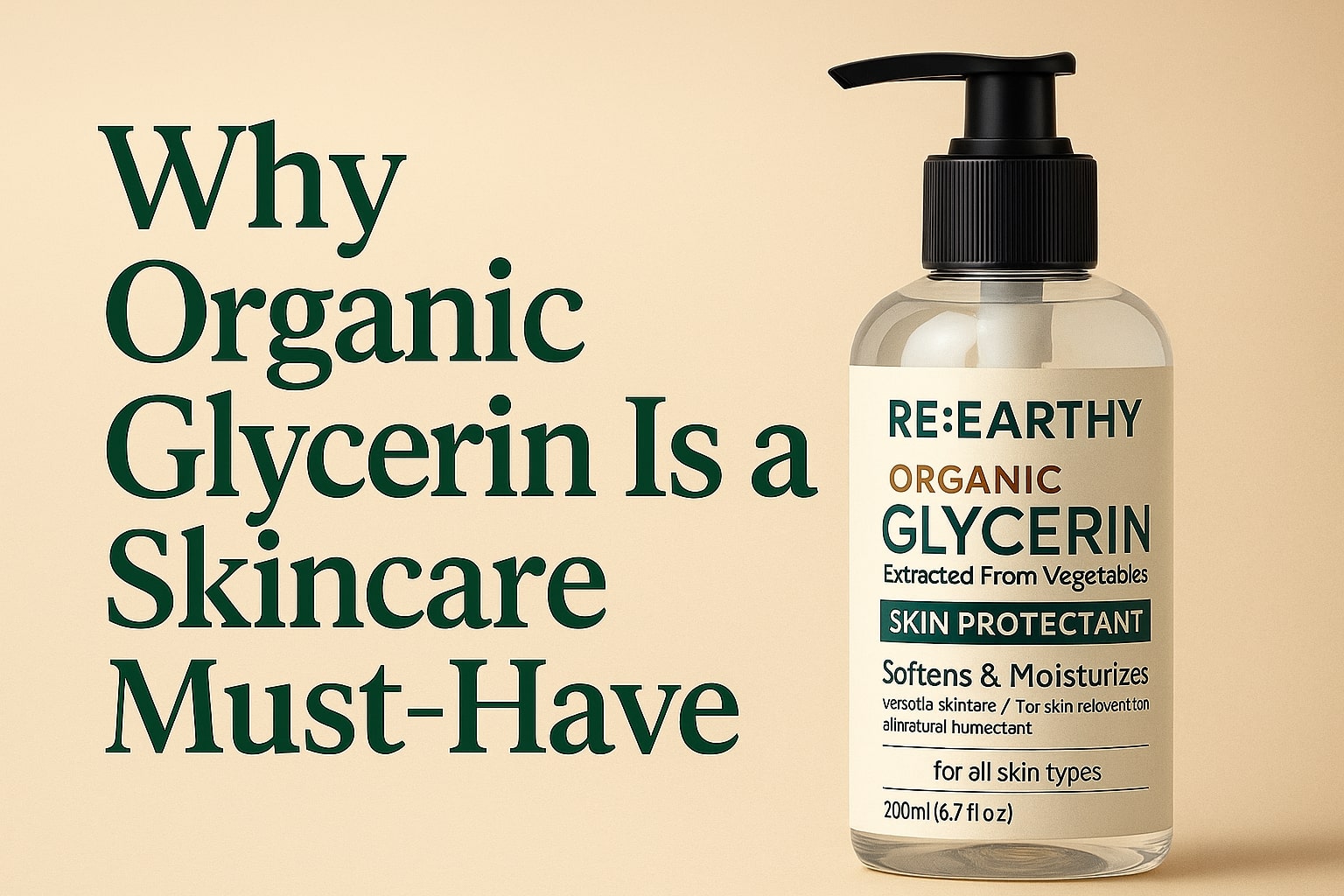
Key Highlights
- Vegetable glycerin is a natural skincare hero, offering excellent skin hydration due to its humectant properties.
- This versatile ingredient is derived from plant-based natural ingredients, making it a great choice for clean beauty routines.
- It works by attracting moisture to the skin, helping to keep it soft, supple, and healthy.
- Vegetable glycerin is gentle enough for sensitive skin, helping to soothe irritation and build a stronger skin barrier.
- You can easily add it to your skincare through DIY recipes or by choosing products that contain it.
Introduction
Are you searching for a natural ingredient that can transform your skin’s health? Look no further than vegetable glycerin. This simple, plant-derived compound is a powerhouse for hydration and is likely already in some of your favorite products. If you want to achieve soft, hydrated, and healthy-looking skin, understanding how to incorporate vegetable glycerin into your skincare routine is a game-changer. Let’s explore why this wonder ingredient deserves a spot in your daily regimen.
Understanding Vegetable Glycerin
Vegetable glycerin, also known as glycerol, is a natural compound that is a staple in the skincare world for good reason. It’s a clear, odorless liquid derived from various vegetable oils. This gentle ingredient is celebrated for its ability to moisturize and protect the skin.
Because it comes from plant oils, it is a popular choice in many cosmetic and beauty products. Its primary role is to act as a humectant, which means it helps your skin retain moisture. We’ll look closer at its origins and how it compares to other types of glycerin.
Origins and Types of Vegetable Glycerin
Vegetable glycerin is created from plant-based sources. It is typically extracted from rich vegetable oils like coconut oil, palm oil, or soybean oil. The process involves heating these oils under pressure or with a strong alkali, which causes the glycerin to split from the fatty acids. The result is a sweet-tasting, syrupy liquid that is soluble in water.
This method ensures that the final product is composed of natural ingredients, making it a popular choice in the cosmetic industry for those who prefer plant-derived skincare. Its gentle nature makes it suitable for a wide range of products, from moisturizers to cleansers.
When you see “glycerin” on an ingredient list, it can come from various sources, including plants or animals. Vegetable glycerin specifically refers to the plant-derived version. This distinction is important for those seeking vegan or cruelty-free products and for understanding how different types might affect your skin.
Difference Between Regular and Vegetable Glycerin
So, what is the difference between regular glycerin and vegetable glycerin for skincare? The main distinction lies in their source. While both are chemically the same compound (glycerol), their origins are different, which can be a key factor for many consumers.
Regular glycerin is often a byproduct of soap making and can be derived from animal fats. In contrast, vegetable glycerin is sourced exclusively from vegetable fats and oils. Both are a clear liquid, but the source can influence your choice based on dietary or ethical preferences. For skincare, both types function as effective humectants, but vegetable glycerin ensures a plant-based origin.
When you’re shopping for pure glycerin, it’s helpful to know what you’re getting. Here’s a simple breakdown:
| Feature | Vegetable Glycerin | Regular (Animal-Based) Glycerin |
|---|---|---|
| Source | Derived from plant oils like coconut, soy, or palm. | Derived from animal fats (tallow). |
| Common Use | Preferred in vegan, natural, and cruelty-free skincare products. | Used in a wide range of cosmetics and industrial applications. |
| Properties | Clear, odorless, sweet-tasting humectant. | Clear, odorless, sweet-tasting humectant. |
Is Organic Vegetable Glycerin Better for Skin Care?
When choosing between organic and non-organic vegetable glycerin, you might wonder if one offers more health benefits for your skin. Organic vegetable glycerin is derived from plants that are grown without the use of pesticides or synthetic fertilizers. This means you can be more certain that the pure glycerin you’re using is free from unwanted chemical residues.
For those with very sensitive or reactive skin, using organic skin care products can provide extra peace of mind. By choosing organic, you minimize exposure to potential irritants that might be present in conventionally farmed ingredients. While both types of glycerin work effectively as moisturizers, the “organic” label guarantees a cleaner, more natural sourcing process.
Ultimately, whether organic vegetable glycerin is “better” depends on your personal preferences and skin sensitivities. If you prioritize using products with the purest possible ingredients and want to avoid any chance of pesticide contamination, then opting for organic is a great choice. It ensures you get all the hydrating benefits in the most natural form available.
How Vegetable Glycerin Works for Skin
The magic of vegetable glycerin lies in its ability to attract and lock in moisture. As a humectant, it pulls water from the air and the deeper layers of your skin to the surface, providing essential skin hydration. This process helps keep your skin feeling soft and looking plump.
Beyond just moisturizing, vegetable glycerin also supports a healthy skin barrier. By keeping the outer layer of your skin hydrated, it helps protect you from environmental irritants. Let’s explore its humectant properties and how it helps repair your skin.
Humectant Properties Explained
Vegetable glycerin’s primary superpower is its humectant properties. A humectant is a substance that attracts water molecules like a magnet. When applied to your face, it draws moisture from the atmosphere and pulls it into the top layer of your skin, providing a significant boost in skin hydration. This is especially beneficial in humid environments.
This mechanism helps to combat dryness and prevent transepidermal water loss, which is when moisture evaporates from your skin. In fact, studies have shown that glycerin is one of the most effective humectants available, even outperforming other popular ingredients like hyaluronic acid in certain aspects of retaining skin moisture.
By continuously drawing moisture to the skin’s surface, glycerin ensures your skin stays hydrated throughout the day. This action helps maintain a healthy, dewy complexion and prevents the tight, uncomfortable feeling associated with dry skin. It’s a simple yet powerful way to keep your skin’s moisture balanced.
How Vegetable Glycerin Moisturizes Skin
Vegetable glycerin works as a fantastic moisturizer by improving skin moisture levels from the inside out. Once it draws water to the skin’s surface, it helps that moisture penetrate the deeper layers of the skin. This ensures that the hydration isn’t just superficial but reaches the skin cells that need it most.
This deep hydration helps to plump up the skin, making it look smoother and healthier. Unlike some moisturizers that just sit on top of the skin, glycerin helps your skin to moisturize itself by improving its natural hydration processes. It works to maintain the water balance within the skin cells.
By pulling moisture from the dermis (the deeper skin layer) to the epidermis (the outer layer), glycerin ensures a continuous cycle of skin hydration. This consistent moisture keeps the skin soft, supple, and resilient against dryness, making it an ideal ingredient for anyone looking to boost their skin’s overall health and appearance.
Role in Skin Barrier Repair
A healthy skin barrier is your body’s first line of defense against the outside world. When this protective barrier is compromised, your skin can become dry, irritated, and sensitive. Vegetable glycerin plays a crucial role in strengthening and repairing the skin barrier function by keeping it well-hydrated.
Proper hydration is essential for the cells in your skin’s outermost layer to function correctly. Glycerin helps these cells mature properly and fortifies the lipid matrix that holds them together. This creates a stronger, more resilient barrier that is better at keeping moisture in and irritants out, which is fundamental for overall skin health.
When used in combination with other ingredients like hyaluronic acid, glycerin is even more effective at repairing the skin barrier. This one-two punch of hydration and protection helps to soothe existing irritation and prevent future damage, leading to calmer, healthier-looking skin. A strong barrier means your skin is better equipped to handle environmental stressors.
Key Benefits of Vegetable Glycerin for Skin
The skin benefits of using vegetable glycerin are truly impressive, making it a valuable addition to any skincare routine. From intense hydration to anti-aging effects, this single ingredient addresses multiple concerns to help you achieve healthy skin. It’s gentle, effective, and works well for a variety of skin types.
Whether you’re dealing with dryness, sensitivity, or the first signs of aging, vegetable glycerin can help. Let’s look at some of the key ways it can improve your skin’s health and appearance, starting with its ability to deeply hydrate dry skin.
Deep Hydration for Dry Skin
For those battling dry skin, vegetable glycerin is a game-changer. Its ability to attract and lock in skin moisture provides long-lasting relief from flakiness and tightness. By pulling water into the skin, it leaves your complexion feeling supple and looking visibly hydrated.
Unlike some ingredients that offer only temporary moisture, glycerin works to improve your skin’s natural hydration capabilities over time. This means your skin becomes better at retaining moisture on its own, leading to a sustained improvement in its texture and feel. If you want consistently hydrated skin, glycerin is an excellent choice.
Here are some specific skin benefits for dry skin:
- It restores the skin’s moisture balance, reducing rough patches.
- Glycerin helps to prevent the uncomfortable, itchy feeling associated with severe dryness.
- It forms a protective layer that shields dry skin from losing more moisture to the environment.
Soothing Sensitive or Irritated Skin
If you have sensitive skin, you know how challenging it can be to find ingredients that don’t cause redness or skin irritation. Vegetable glycerin is a wonderfully gentle option that can help calm and soothe discomfort. Its natural, plant-based origins make it less likely to trigger reactions compared to synthetic additives.
Glycerin creates a calming effect on the skin, making it beneficial for various skin conditions like eczema and atopic dermatitis. By providing intense moisture, it helps to alleviate the dryness and itching associated with these issues. You can even combine it with other soothing ingredients like aloe vera gel for an extra calming boost.
Is it safe to apply directly to sensitive skin?
- Yes, but it is always recommended to dilute it first with water or rose water to prevent potential irritation.
- Its gentle properties help reduce temporary skin discomfort and redness, making it an ideal choice for easily reactive skin.
Anti-Aging Effects and Smoother Texture
As skin ages, it naturally loses moisture, which can lead to the appearance of fine lines and wrinkles. Vegetable glycerin offers powerful anti-aging benefits by replenishing this lost hydration. By drawing moisture into the skin, it helps to plump up the surface, making fine lines less noticeable and giving your skin a more youthful look.
Regular use of glycerin can also significantly improve your overall skin texture. It works to smooth rough patches and create a softer, more even surface. By helping to break down proteins in dead skin cells, it promotes cell turnover, revealing fresher, smoother skin underneath.
This dual action of hydrating and exfoliating helps your skin look its best. The result is a complexion that is not only more hydrated but also visibly smoother and firmer. Incorporating glycerin into your routine is a simple way to maintain a supple and youthful skin look for longer.
Safe Usage and Potential Side Effects
While vegetable glycerin is considered safe for most skin types, it’s wise to be aware of potential side effects and how to use it correctly. Allergic reactions, though rare, can occur. The best way to ensure a positive experience is to introduce it to your skin carefully.
Performing a patch test is a crucial first step, especially if you have sensitive skin. Understanding how to dilute glycerin and what to watch for will help you enjoy all its benefits without any unwanted issues. Let’s discuss its safety for different skin types and how to spot a reaction.
Is Vegetable Glycerin Safe for All Skin Types?
One of the best things about vegetable glycerin is its versatility across different skin types. For dry and sensitive skin, it provides much-needed hydration and soothing relief. Its gentle nature makes it a safe usage option for those who often react to harsher ingredients. It is generally well-tolerated and helps strengthen the skin’s barrier.
What about oily skin? Since vegetable glycerin is non-comedogenic, it won’t clog your pores, which is great news for acne-prone individuals. It provides lightweight hydration without adding extra oil, helping to balance the skin. However, those with oily skin should use it in moderation to avoid over-hydrating, which can sometimes feel heavy.
While it is safe for most, it is not recommended to apply pure, undiluted glycerin directly to the skin, especially sensitive skin. Diluting it ensures you get the moisturizing benefits without the risk of drawing too much water from the deeper layers of your skin, which could paradoxically lead to dryness or irritation.
Common Allergies and Reactions
Although allergic reactions to vegetable glycerin are uncommon, they can happen. The side effects are typically mild and often occur when the glycerin is used undiluted. If you have particularly sensitive skin, you are more likely to experience skin irritation, so taking precautions is important.
The most common reaction is redness or a rash at the application site. Some people might also feel a slight stinging or burning sensation, especially if their skin barrier is already compromised. These symptoms usually indicate that the concentration of glycerin is too high for your skin to handle.
To avoid any adverse effects:
- Always perform a patch test on a small, discreet area of skin (like behind your ear or on your inner arm) and wait 24 hours to check for a reaction.
- If you experience any redness, itching, or irritation, discontinue use and wash the area with water.
Precautions for Sensitive Skin
If you have sensitive skin, taking an extra precaution when introducing any new product into your skincare routine is key. With vegetable glycerin, the number one rule is to always dilute it. Using pure glycerin directly on your face can be too intense and may lead to irritation by drawing excessive moisture from the deeper skin layers.
Before applying it to your face, always conduct a patch test. Apply a small amount of the diluted mixture to your inner wrist or behind your ear. Wait a full 24 hours to see if any redness, itching, or discomfort develops. If your skin shows no reaction, it’s likely safe to proceed.
When you start using it, begin with a lower concentration to see how your skin responds. You can gradually increase the amount as your skin gets accustomed to it. Listening to your skin is the best way to incorporate vegetable glycerin safely and effectively into your routine.
Using Vegetable Glycerin in Your Skincare Routine
Incorporating vegetable glycerin into your skincare routine is simple and highly rewarding. Whether you prefer to create your own DIY treatments or use professionally formulated products, there are many ways to reap its benefits. It can be used as a moisturizer, toner, cleanser, or mask ingredient.
Adding it to your daily skincare routine can help maintain optimal hydration and protect your skin. Let’s explore some easy DIY recipes and practical ways to use this versatile ingredient to enhance your skin’s health, particularly if you have dry skin.
DIY Moisturizer Recipes with Vegetable Glycerin
Creating a DIY moisturizer with vegetable glycerin is a fantastic way to customize your skincare and ensure deep skin hydration. For a simple and effective recipe, you can mix glycerin with other nourishing ingredients you may already have at home. This allows you to control exactly what goes on your skin.
A popular combination involves blending vegetable glycerin with a rich butter, like shea butter, and a few drops of your favorite essential oil for added benefits and a pleasant scent. This creates a creamy moisturizer that is perfect for locking in moisture, especially after a bath or shower.
Here are a few simple moisturizer ideas:
- Simple Hydrating Spray: Mix one part vegetable glycerin with four parts distilled water or rose water in a spray bottle.
- Nourishing Cream: Melt a tablespoon of shea butter and mix it with a teaspoon of vegetable glycerin and a few drops of lavender essential oil.
- Lightweight Lotion: Combine a teaspoon of glycerin with two tablespoons of almond oil and an essential oil of your choice.
Vegetable Glycerin in Homemade Face Masks
Yes, vegetable glycerin is an excellent addition to homemade skincare products, especially a face mask. Adding a small amount of glycerin to your favorite DIY mask recipe can significantly boost its hydrating and soothing properties, leaving your skin feeling incredibly soft and refreshed.
For a deeply nourishing mask, try mixing vegetable glycerin with ingredients like honey, white kaolin clay, or aloe vera gel. A simple yet effective recipe is to combine one teaspoon of glycerin with two teaspoons of rose water and a capsule of vitamin E oil. This mixture helps to soothe, hydrate, and brighten the skin.
Apply the face mask to clean skin, leave it on for 15-20 minutes, and then rinse off with lukewarm water. Unlike some clay masks that can feel drying, adding glycerin helps the mask retain moisture, ensuring your skin gets all the benefits without feeling stripped. It’s an easy upgrade for any of your go-to skincare products.
Best Ways to Use Vegetable Glycerin for Dry Skin
If you struggle with dry skin, vegetable glycerin can be your best friend. There are several effective ways to add it to your skincare routine for maximum hydration. One of the easiest methods is to create a hydrating facial mist. Simply mix one part glycerin with four parts water in a spray bottle and spritz it on your face throughout the day for a quick moisture boost.
Another wonderful method is to add it to your bath. A few tablespoons of vegetable glycerin in your bath water can help moisturize your entire body, leaving your skin feeling silky smooth and preventing the drying effects of hot water. This is a luxurious and simple way to combat dryness from head to toe.
Here are two of the best ways to get relief for dry skin:
- As a Moisturizer Booster: Add a few drops of glycerin to your favorite daily lotion or cream to enhance its hydrating power.
- Overnight Treatment: Mix glycerin with a carrier oil like coconut or almond oil and apply it to extra dry areas like elbows, knees, and heels before bed.
Conclusion
In summary, vegetable glycerin is a versatile ingredient that offers numerous benefits for your skin. Its humectant properties ensure deep hydration, making it an excellent choice for those with dry or sensitive skin. Additionally, its role in soothing irritation and promoting a smoother texture makes it a valuable addition to any skincare routine. Whether you’re creating DIY moisturizers or incorporating it into homemade face masks, vegetable glycerin can enhance your skincare experience. If you have questions or need personalized advice on how to effectively use vegetable glycerin in your regimen, feel free to get in touch!
Frequently Asked Questions
Can Vegetable Glycerin Be Applied Directly to The Face?
It’s best to avoid applying pure vegetable glycerin directly to your face, especially if you have sensitive skin. Always dilute it with water or rose water (a 1:4 ratio is a good start) to prevent potential skin irritation. Performing a patch test first is also a smart way to ensure optimal skin hydration without any adverse reactions.
Where to Buy Pure Vegetable Glycerin in India?
In the United States, you can easily find pure vegetable glycerin for your skincare needs. It is widely available at health food stores, pharmacies, and online retailers like Amazon. Look for brands that offer 100% pure, food-grade glycerin to ensure you are getting high-quality natural products suitable for cosmetic use.
How Much Vegetable Glycerin Should I Use in a DIY Skincare Recipe?
For most DIY skincare recipes, a little vegetable glycerin goes a long way. A good rule of thumb is to ensure glycerin makes up no more than 5-10% of your final product. For a simple moisturizer or toner, start with a 1:4 ratio of glycerin to water or another liquid base.